
From little gestures to fun games, teaching kindness and empathy to children can create lifelong habits of caring, connection, and compassion. If you’re wondering how to teach kindness and empathy, this guide offers real strategies you can try today.
Why Teach Kindness and Empathy?
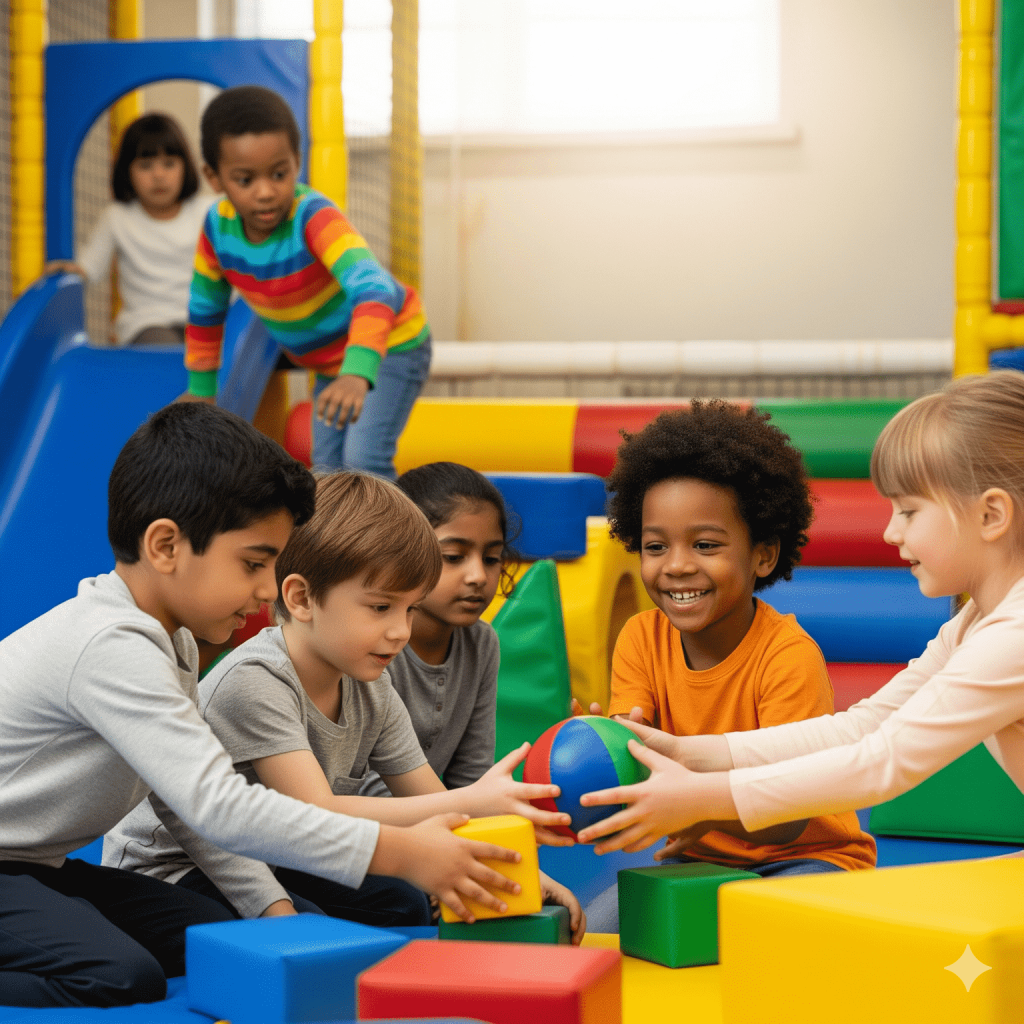
We often ask: Is kindness something children are born with or something they learn?
In my experience, empathy is more like a muscle—you can help children build it through practice, examples, and reflection. When kids learn kindness and empathy, they gain:
- Better relationships with peers and adults
- Improved communication & listening skills
- Greater emotional intelligence—knowing their own feelings and being sensitive to others’
- A more positive, inclusive community—very important in a place like Dubai where many cultures meet
How (and What) to Teach Empathy and Kindness
Here are some tested, fun, and meaningful methods to teach empathy and kindness, with examples that work well.
Role Modeling & Everyday Moments
Children tend to mimic what they see. So:
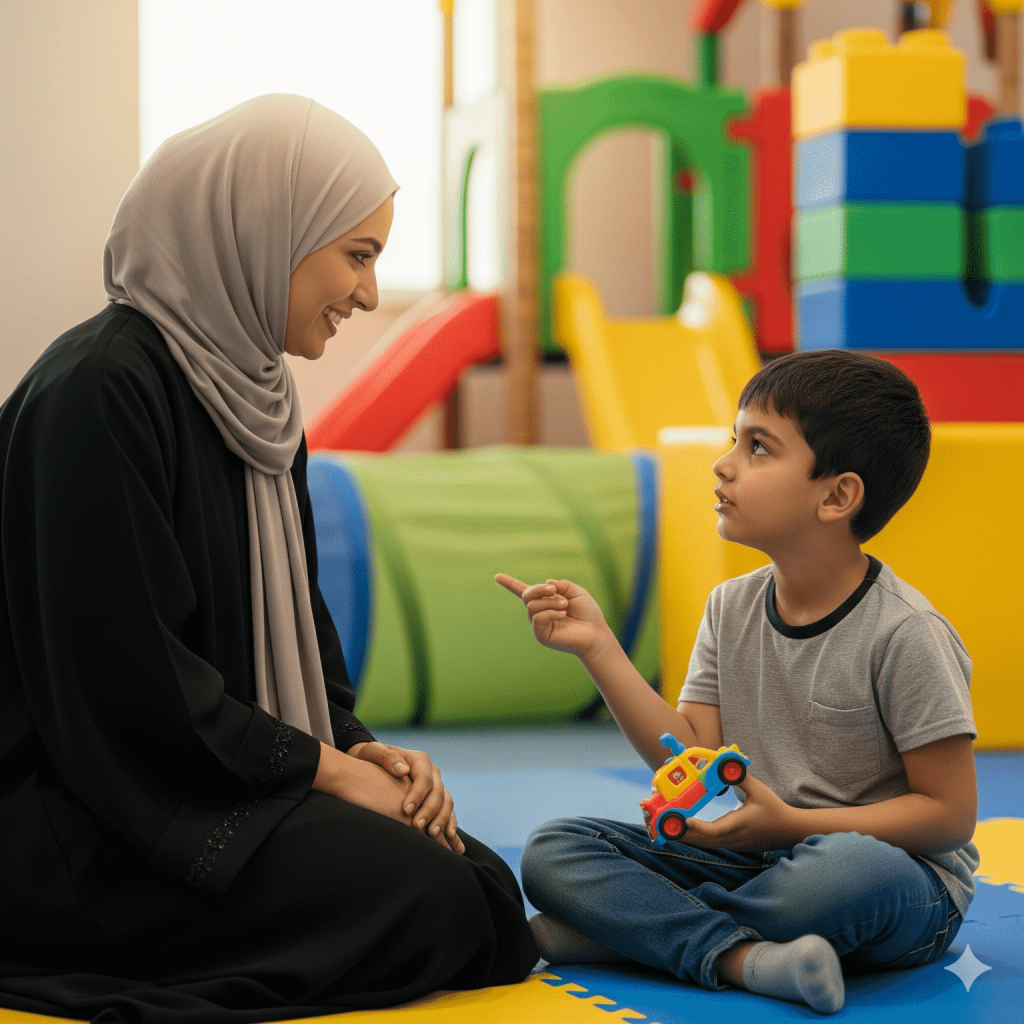
- Model compassionate behaviour. This means when staff or parents speak kindly, listen well, apologize when needed, and show caring interactions.
- Use simple language about feelings. Say things like “I see you’re upset,” or “Look how happy she is.” Helps kids recognise emotions.
- Praise acts of kindness. Acknowledging when a child shares, helps, or comforts another reinforces that behaviour.
Perspective-Taking and Imaginative Play
Helping kids step into someone else’s shoes is powerful.
- Role-play scenarios. For example, pretend someone is hurt, sad, or excluded. Ask: How would you feel? What could you do to help?
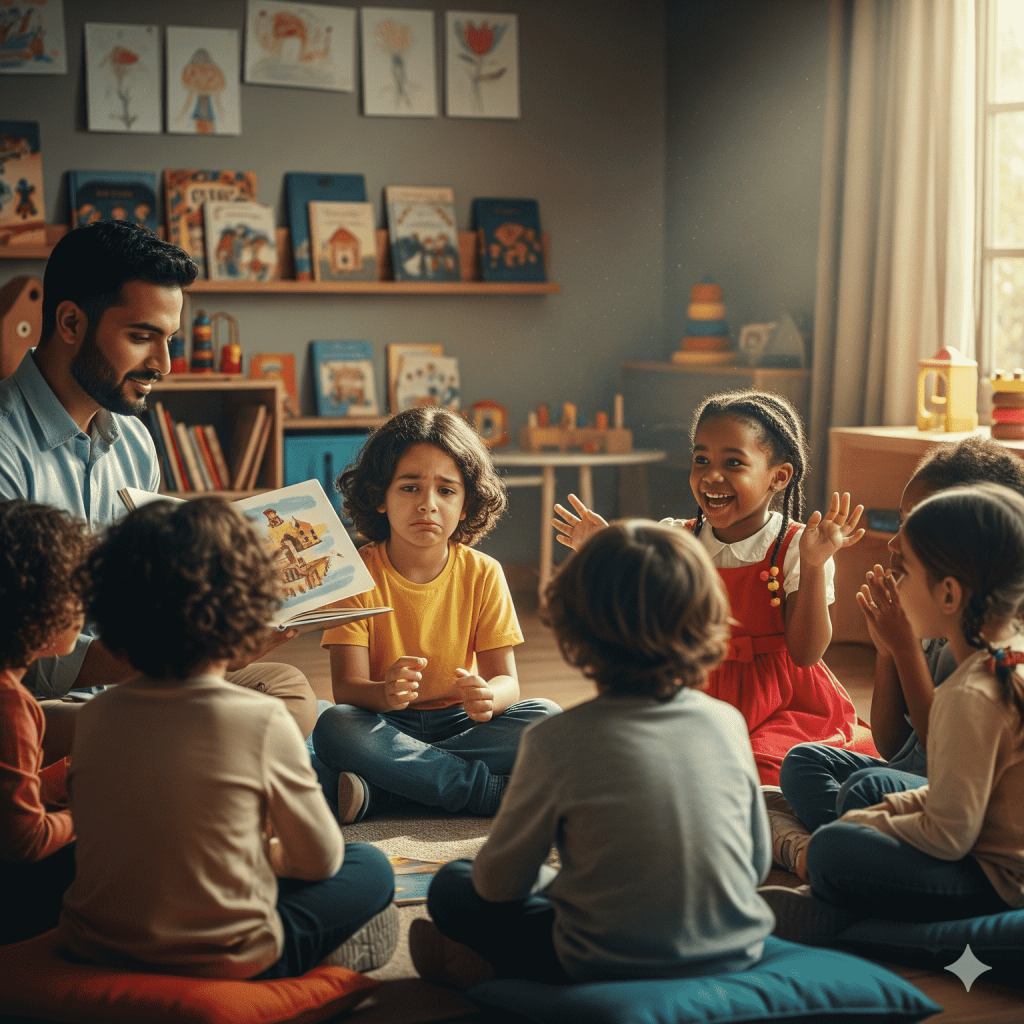
- Read stories / watch short videos. Stories are great because they show feelings, differences, and choices. Afterwards, discuss: What would you do if you were that character?
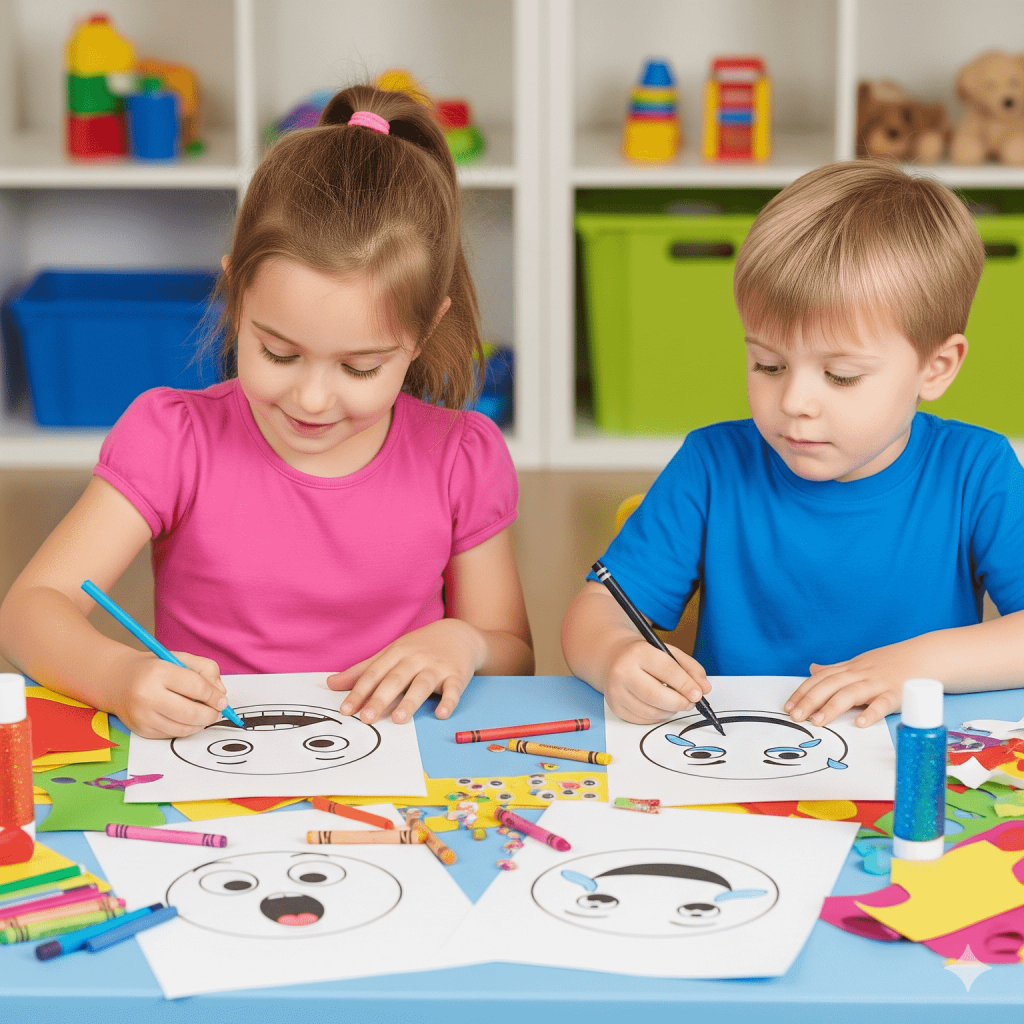
- Emotion games. E.g. match faces/emotions, “Feelings bingo”, or charades. These games help children recognize and express emotions.
Activities & Exercises Kids Will Enjoy
Here are hands-on ideas suited for indoor settings like your play zones.
- “Label Your Feelings” game. Give scenarios (someone playing alone, someone dropping something, etc.) and ask children to name how they think that person feels. Then share how they themselves would feel.
- Empathy art & craft. Drawing feelings, making empathy collages, or illustrating kindness in motion. Great for calm times, creative workshops.
- Gratitude journal / Kindness journal. Let kids draw/write something kind they did, or someone was kind to them. Reflect regularly.
- Helping or service tasks. Even small tasks: helping another child get a toy, holding doors, assisting staff. Involvement in group responsibilities
Create Empathy-Friendly Spaces & Culture
The environment matters:
- Staff training: Ensure staff are aware of emotional cues and can respond with kindness.
- Safe zone for expression: corners where children can calm down, or talk about feelings if upset.
- Inclusive play zones: rotate roles in games so every child experiences being helper, leader, follower—this builds understanding of different perspectives.
- Celebrate Kindness: have a “kindness board” or “empathy moments” share-outs during visits or events.
Putting It All Together
Since we are an indoor playground with 25,000 square feet, many attractions, dynamic zones, and creative workshops:
- Integrate empathy‐teaching into creative workshops: e.g. craft with themes of helping, emotions, friendship.
- Use celebration rooms not just for parties, but for “kindness parties” where children share stories of kindness.
- In different play zones, staff can pause and reflect: e.g. after a busy slide zone, ask children, “Did anyone help someone else waiting in line?” or “How did you feel when someone let you go first?”
- Story times or short video screenings can be scheduled during quieter hours (or waiting times) to expose kids to stories of kindness and empathy.
Tips & Reminders (From My Experience)
- Be consistent. Empathy & kindness grow slowly. Everyday small moments matter more than one big lesson.
- Be patient. Children develop emotional understanding at different rates.
- Use praise carefully. Notice effort (“you tried to include him”) rather than just outcomes.
- Revisit & reflect. Regularly ask children about feelings, what helped them, what they wish they did differently.
Final Thoughts:
Why It’s Worth the
Effort
Teaching kindness and empathy isn’t just about good behaviour. It shapes the heart, builds emotional resilience, and makes play time richer—not just for children but for families and staff too. In a place ,where children come from many cultures, experiences, and languages, these values help every child feel seen, valued, and safe.
If you’re looking for a magical place in Dubai where children don’t just play, but also grow in compassion, kindness, and empathy— From interactive creative workshops to zones designed for inclusive play, it’s here where your child’s emotional journey is celebrated alongside joy and adventure. Book your visit today and let’s build kind hearts together.
Click Here To Book Your Tickets